What Are the Key Differences Between Attached and Detached ADUs in California?
 Share
Share
1 min read


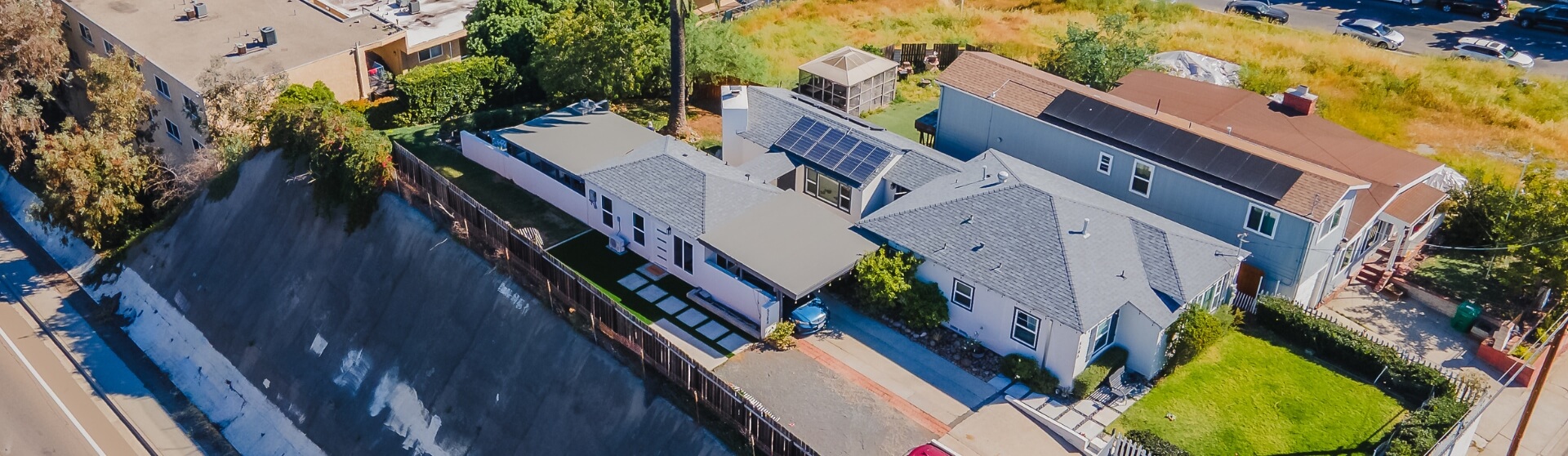
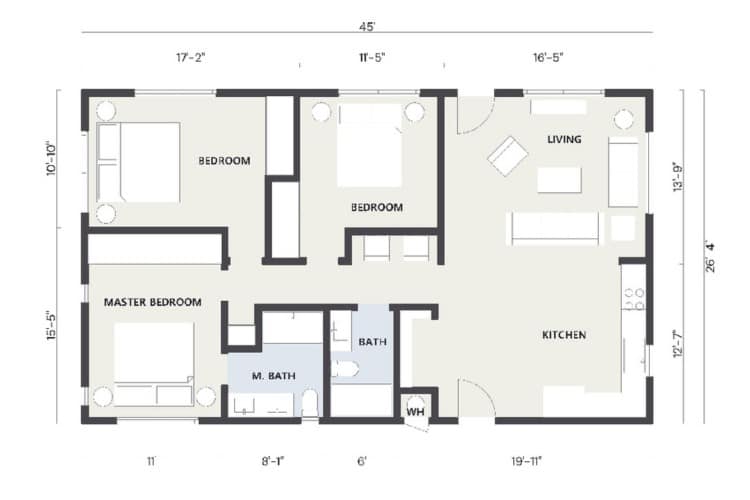
An attached ADU shares at least one wall or structural connection with the primary residence, while a detached ADU is a standalone structure located on the same property. Both provide complete independent living facilities, including areas for living, sleeping, cooking, and sanitation, but they differ in privacy, construction requirements, utility infrastructure, design flexibility, and rental appeal. For California and San Diego homeowners, the best choice often depends on lot size, budget, intended use, and long-term goals. According to the California Department of Housing and Community Development (HCD) and the City of San Diego, both attached and detached ADUs are legally recognized forms of accessory housing that can provide valuable living space and long-term flexibility.